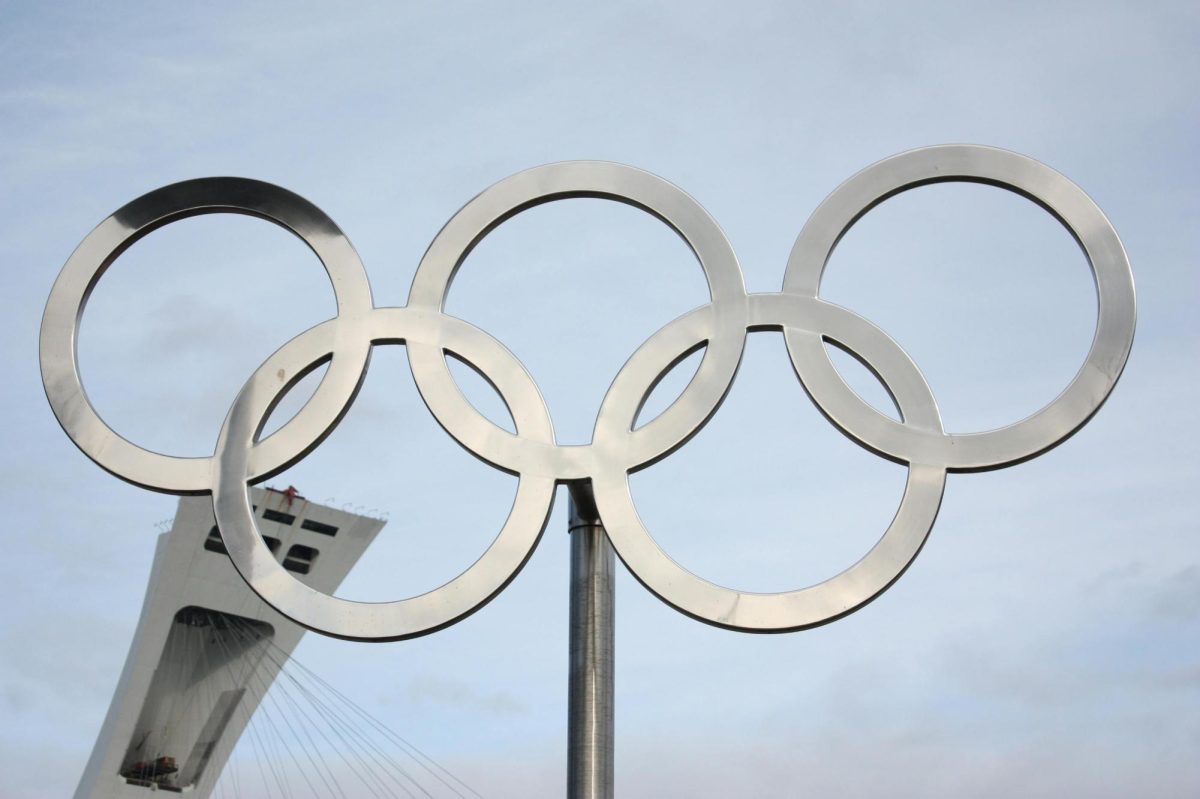
When the Olympic Games dominate the global conversation, the spotlight naturally gravitates toward the popular events like gymnastics, swimming, and the 100-meter dash. While these sports represent the pinnacle of traditional athleticism, the Olympic program also hosts a variety of “niche” disciplines. These events often go unnoticed by the casual viewer, yet they offer some of the most complex displays of skill, strategy, and endurance in the sporting world. For those looking to move beyond the mainstream coverage, here is a look at the technical mastery required for the Game’s more unconventional sports.
Modern Pentathlon: the ultimate versatility test
Made by the founder of the modern Games, Pierre de Coubertin, the modern pentathlon was designed to identify the “complete athlete.” It is a grueling five-part competition consisting of fencing, swimming, equestrian show jumping, and a final “laser-run” (a combined event of pistol shooting and running).
The equestrian phase is particularly unique: athletes do not bring their own horses. Instead, they are paired with an unfamiliar horse via a random draw and given only 20 minutes to familiarize themselves with the animal before attempting a course of jumps. This requires an extraordinary level of adaptability and composure, as the athlete must manage a high-stakes performance with a partner they have never met.
Trampoline: A study in vertical precision
While often categorized under the umbrella of gymnastics, trampoline is a distinct discipline that demands extreme spatial awareness and core strength. Athletes reach heights of up to 10 meters (roughly 33 feet), performing a series of ten consecutive maneuvers that involve multiple somersaults and twists.
The judging is incredibly rigorous. Beyond the difficulty of the tricks, athletes are scored on their “flight time” and their “horizontal displacement.” Essentially, how well they can stay in the dead center of the trampoline. Moving even slightly toward the edges results in significant point deductions, making it a high-tension game of inches played out dozens of feet in the air.
Race Walking: The mechanics of persistence
Race walking is frequently misunderstood due to its distinctive gait, but it is one of the most physically demanding endurance events in the Olympic Games. The rules are strict: an athlete must maintain constant visible contact with the ground at all times, and the leading leg must remain straight from the moment of contact until it passes under the body.
Violating these rules results in a lighting penalty; three such penalties lead to disqualification. This creates a fascinating paradox where athletes must push their bodies to maintain a pace of roughly 12 to 13 miles per hour (for distances up to 50km) while adhering to a biochemical restriction that feels entirely unnatural. It is a grueling test of both cardio muscular capacity and mental discipline.
Canoe slalom: navigating chaos
In contrast to the straight-line sprints of traditional rowing, canoe slalom takes place on a high-velocity whitewater course. Athletes must navigate a series of downstream and upstream gates suspended over the rapids. The strategy involved is immense. Paddlers must “read” the water, using eddies and currents to whip their boats around the poles. Touching a gate adds a time penalty, while missing one entirely is devastating to an athlete’s score. It is essentially a high-speed obstacle course that requires explosive power and split-second decision-making.
The beauty of these lesser-known sports lies in their specificity. They remind us that Olympic greatness isn’t just about who can run the fastest or jump the furthest in a straight line; it is also about who can master the most eccentric and difficult challenges the human body can face. The next time the games are on, it is well worth seeking out these events to witness a different, more specialized kind of excellence.