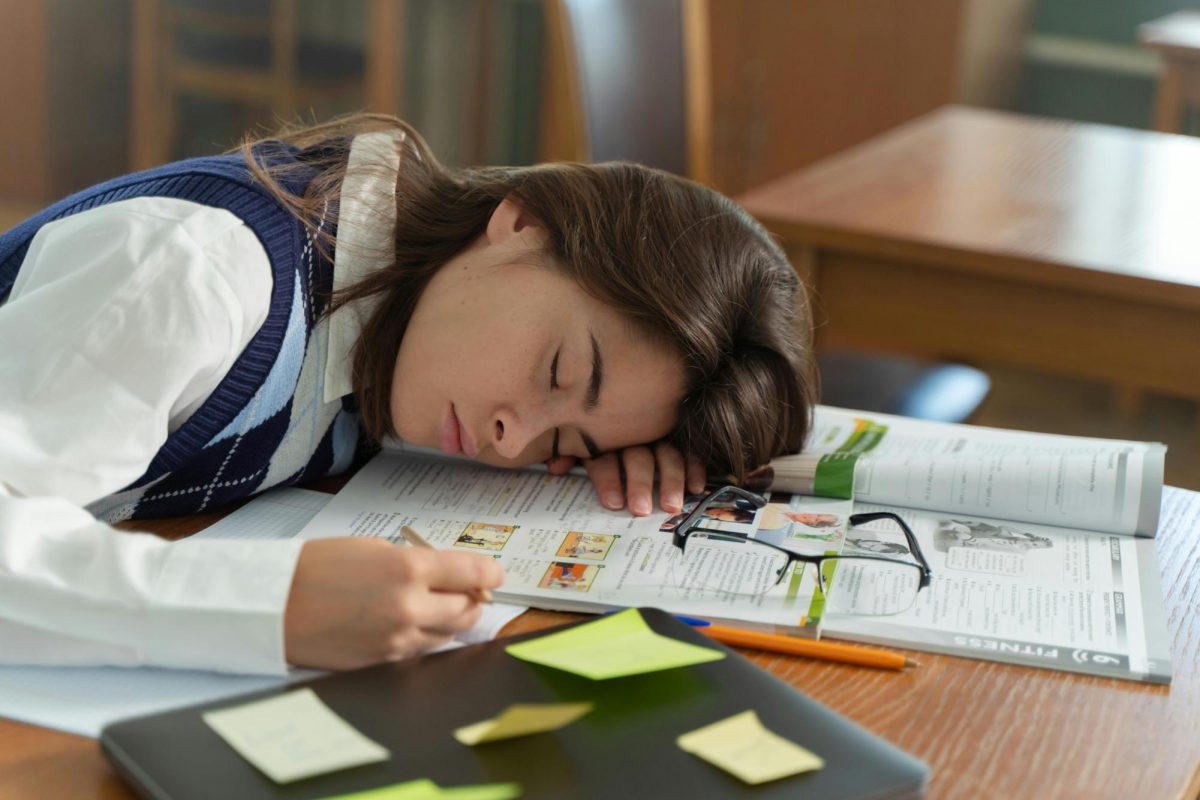
One of the most important things for a student (and teenager) is adequate sleep. Sleep helps the body work in a multitude of ways and is essential for overall alertness, health, and function. It is the time during which the body repairs itself, rebuilding muscles and preventing or fighting infections. Sleep affects the body systems too, for example, the circulatory and respiratory systems, as well as metabolism. It also helps with the way the brain functions, impacting memory and attention spans.
Here are some of the specifics behind how sleep impacts the body: while asleep, heart rate and blood pressure decrease, and the heart is able to rest (it is still working, but not as hard as when a person is awake). The immune system, on the other hand, works harder while a person is sleeping. While resting, long-term memories are formed (these also help with learning). Additionally, sleep impacts hormones, metabolism, and circadian rhythm by keeping their functions on the right schedule. Finally, for kids and teens, the amount of sleep they get impacts their growth and development.
Sleep is a vital component of staying healthy, so when sleep deprivation occurs, its effects can be detrimental. Sleep deprivation can come from either a lack of sleep or poor quality of sleep (this is when one has slept for enough hours but does not wake up feeling rested due to having trouble falling asleep, waking up often, fatigue, etc.). It impacts every part of a person’s day, from daily activities like driving to doing homework. Sleep deprivation is linked with poor focus, foggy thinking, increased risk for chronic health problems, coronary heart disease, high blood pressure, mood issues, and increased colds and infections. These health impacts are all due to the fact that when the body doesn’t have enough time for sleep, it isn’t able to reset, heal, and prevent issues.
Additionally, lack of sleep negatively impacts teenagers’ performance in school. Clete A. Kushida is a doctor and professor at Stanford University, and he says, “There are data that sleep loss leads to learning and memory impairment, as well as decreased attention and vigilance. In the student-age population, studies have found that factors such as self-reported shortened sleep time, erratic sleep/wake schedules, late bed and rise times, and poor sleep quality have been found to be negatively associated with school performance for adolescents from middle school through college. Thus, there is ample evidence to indicate that the lack of adequate nighttime sleep can lead to disturbances in brain function, which in turn, can lead to poor academic performance.” Therefore, going to bed late, especially if it’s unnecessary, is never recommended.
With all of this in mind, it is important to consider how much sleep is enough or a good amount and how to achieve it. On average, teens need about nine to ten hours of sleep each night; however, some may need less and others may need more. Balancing school, homework, sports, work, and any other extracurriculars can make going to bed and getting enough sleep especially difficult during the school year, but it’s that much more important. Even if nine to ten hours of sleep isn’t doable, here are some tips to still get better sleep. First of all, try to develop a consistent bedtime and wake-up routine, and stick to it even on the weekends. This will synchronize your circadian rhythm (which impacts your entire body) and have a positive impact on your mental and physical health. The next tip is to turn off all screens an hour before bed (the light from a screen can prevent the release of melatonin, which is what helps people to fall asleep, and dopamine from scrolling keeps them awake). Moreover, caffeine can also make it difficult to fall asleep, so try to avoid it during the afternoon and evening. Finally, create a wind-down routine that lasts fifteen to thirty minutes in order to calm down and disconnect from devices before bedtime.