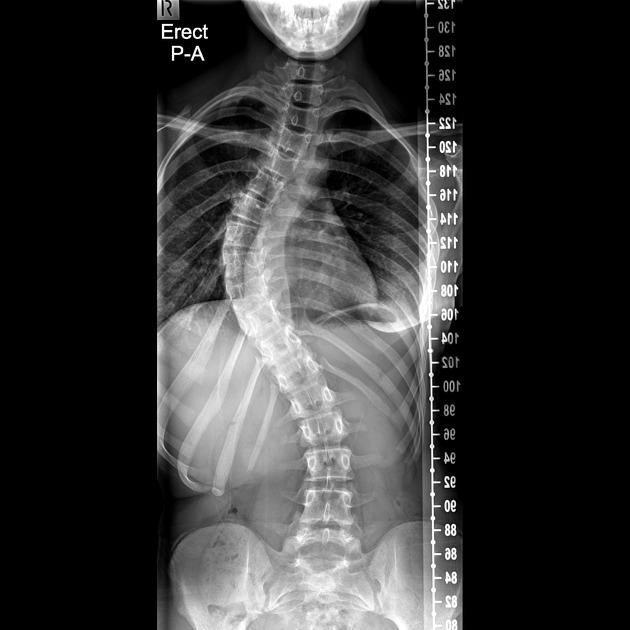
Scoliosis is an abnormal curvature of the spine; it can cause back pain, difficulty breathing, and postural imbalances. It affects people all over the world, and it also affects athletes. It can affect people of any age, but it is most common among adolescents. In addition to causing pain and discomfort, scoliosis can have a negative impact on all types of athletes at all levels.
A curved spine can cause several issues, like spinal deformities, that impact the body. It can make it harder to move and may cause back pain that doesn’t go away. When the spine bends, the back muscles on one side of the spine can grow weaker than the ones on the other side. This can lead to core strength problems and less flexibility. It can also raise the risk of heart failure and getting hurt.
While scoliosis can affect any type of athlete, there are certain sports that are more likely to cause scoliosis. An athlete who plays football or hockey and repeatedly gets hit and twisted can lead to the curve of the spine getting worse. In baseball, players may experience difficulty throwing because their rotational power has been weakened by their condition. Also, tennis players may find that they aren’t able to generate as much power when hitting forehand and backhand because of their weakened core muscles. Runners are also affected by scoliosis due to the twisting motion required to run.
You can play many sports with scoliosis, depending on the severity of your condition and the sport that you choose. Many people safely participate in low-impact sports that support spinal health; however, it can cause long-term injuries like muscle strain, joint damage, nerve pain, and reduced movement during certain sports activities.
Some sports are beneficial and safe to do with scoliosis. “Swimming is a great exercise, especially for people with scoliosis,” says Dr Aatif Siddiqui. Swimming is good for scoliosis because it can strengthen different muscles across the body without the heaviness and pressure on the spine. Swimming uses different muscles across the body in a balanced and symmetrical way.
Cycling is a low-impact sport that provides a great cardiovascular workout. It doesn’t make curves worse, but off-road cycling should be limited because the high-impact bumps can put pressure on the spine.
Soccer is great for athletes who have a curve in their lower back because it helps strengthen the core muscles. This strength keeps the natural shape of the thoracic spine and can help resist the flattening caused by thoracic scoliosis.
Strength training and stretching can lead to building different muscles in your body, and stretching helps relieve tension. These allow less pressure to be on the spine and can reduce the curvature of the spine. Scoliosis can affect young athletes in many different ways, no matter what the sport is. Some sports may be more dangerous to play with scoliosis, and other sports can be beneficial to do with scoliosis.